Five Ways to Record Your Next Gig
Start documenting your shows today.
.jpeg)

13 - 24 (of 30 matches)
Start documenting your shows today.
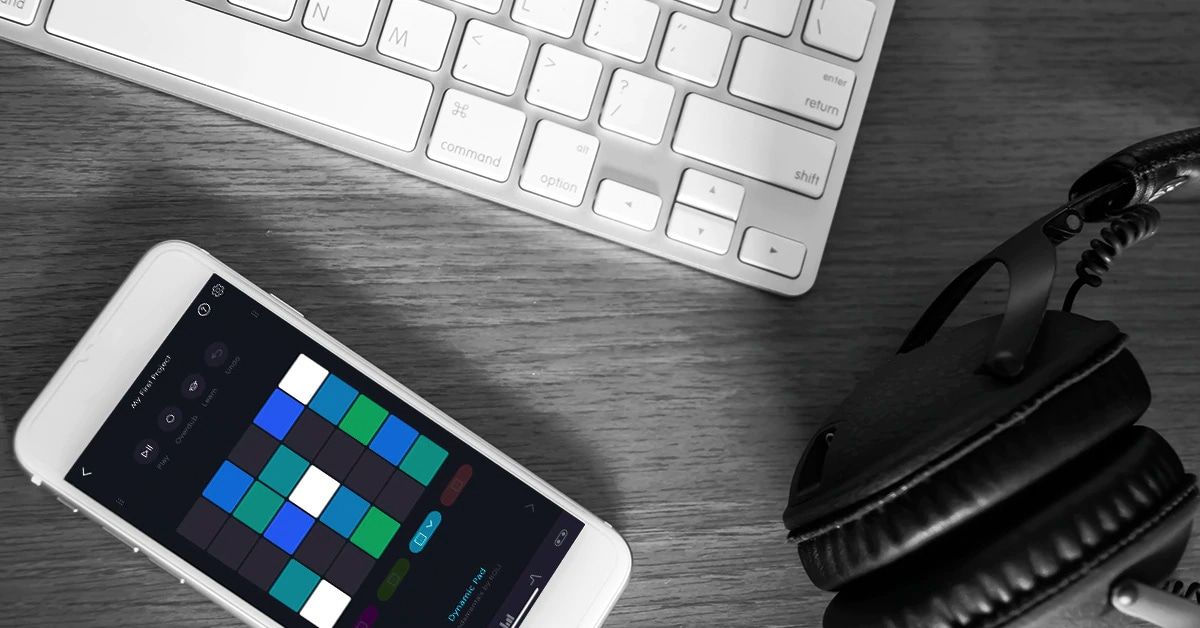
Technology has modernized the way we consume and create music. Check out a few of our favorite high-tech gadgets to see how you can use your iPhone or Android phone for professional music production, performance or recording.
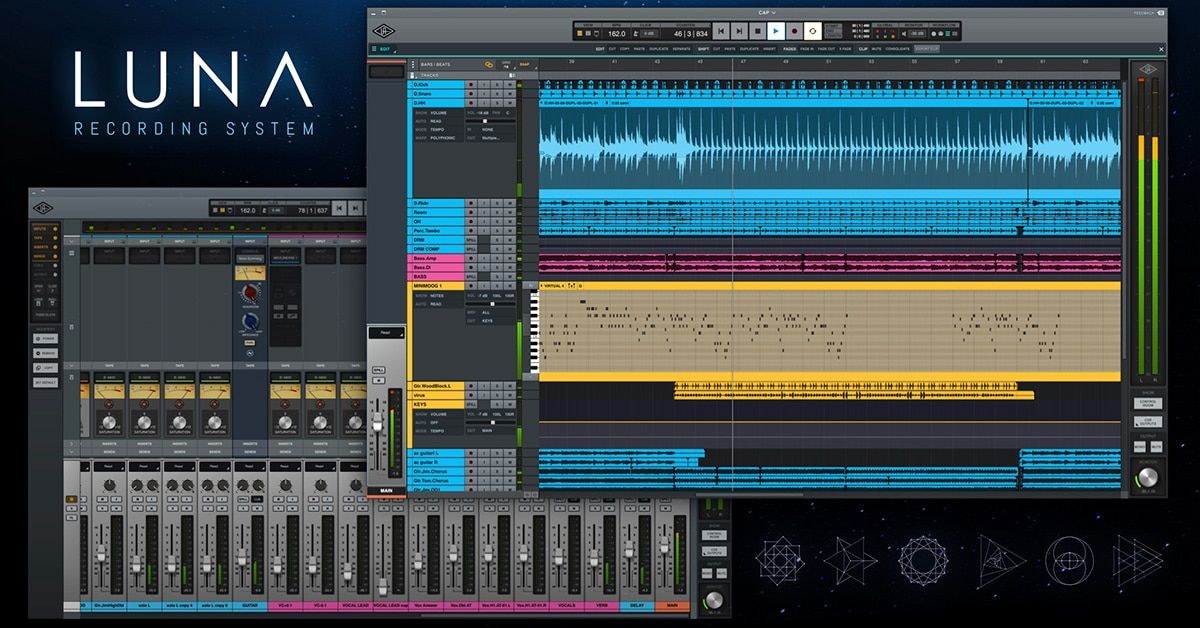
Learn more about LUNA from Lev Perry, Universal Audio’s Director of Product Management.
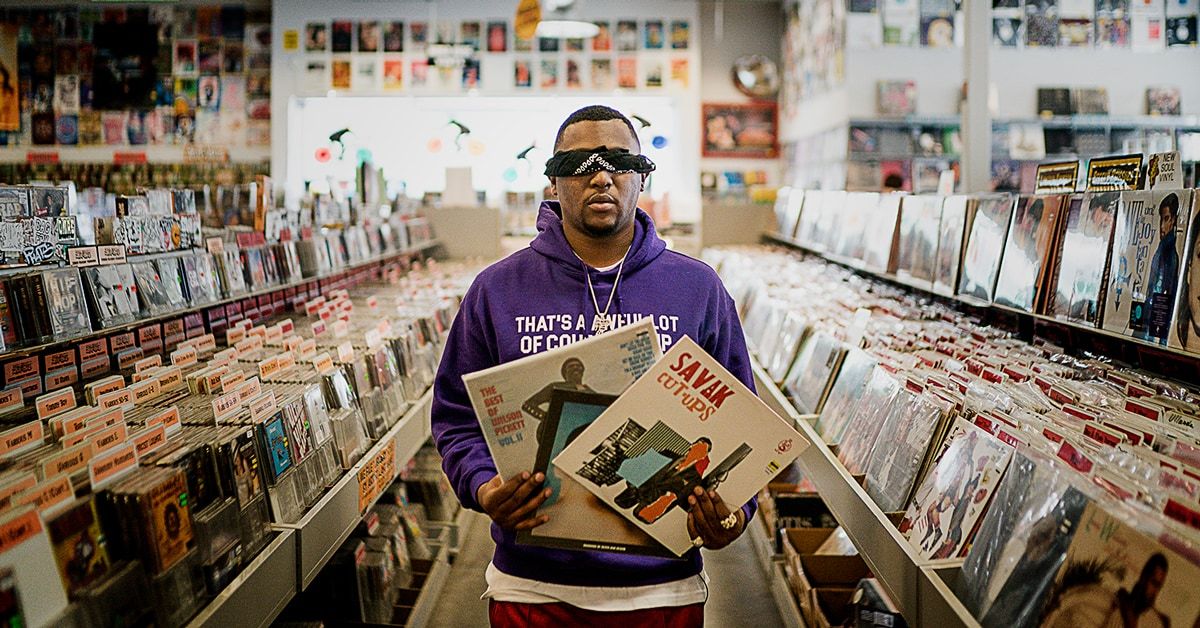
We partnered up with Mass Appeal to challenge super-producer Hit-Boy to make beats with samples from three random records for an episode of their popular series, Rhythm Roulette!
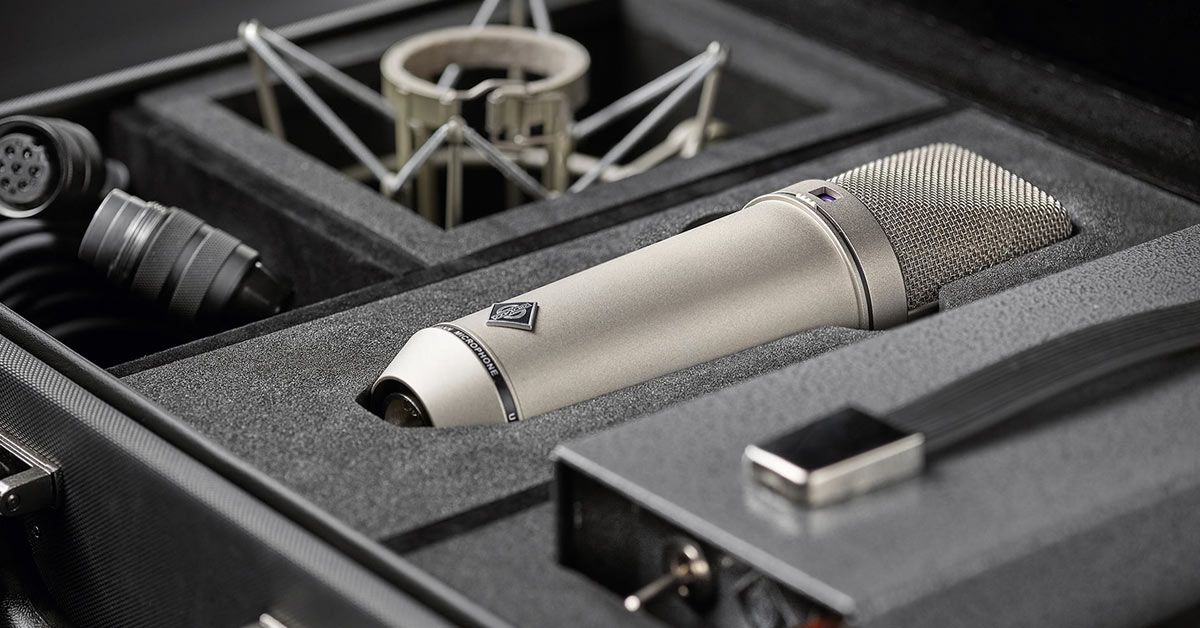
Necessity is often the mother of invention, as was the case with the Neumann U67. In the late 1950s, Neumann received the devastating news that the Telefunken tube used in its then-premier tube condenser microphone, the U47, would be discontinued. One last production run of Telefunken VF 14M tubes supplied Neumann with enough to sell U47s into the early 1960s, while the process of creating Neumann's new studio standard began.
If you’re finding yourself with a limited budget resulting in limited gear, you’re certainly not alone. The good news is technology has come a long way from the days of being limited to any sort of multi-track recording outside a 4-track recorder. Now, the most cost effective of digital audio workstations, paired with the power of today’s computers, provide us all with nearly unlimited options for recording multiple tracks, multiple takes, and multiple versions. However, even with these advantages, we still need a decent instrument and decent microphones to lay a strong foundation for a finished record. Thankfully, almost all live instruments can be recorded with just one or two microphones.
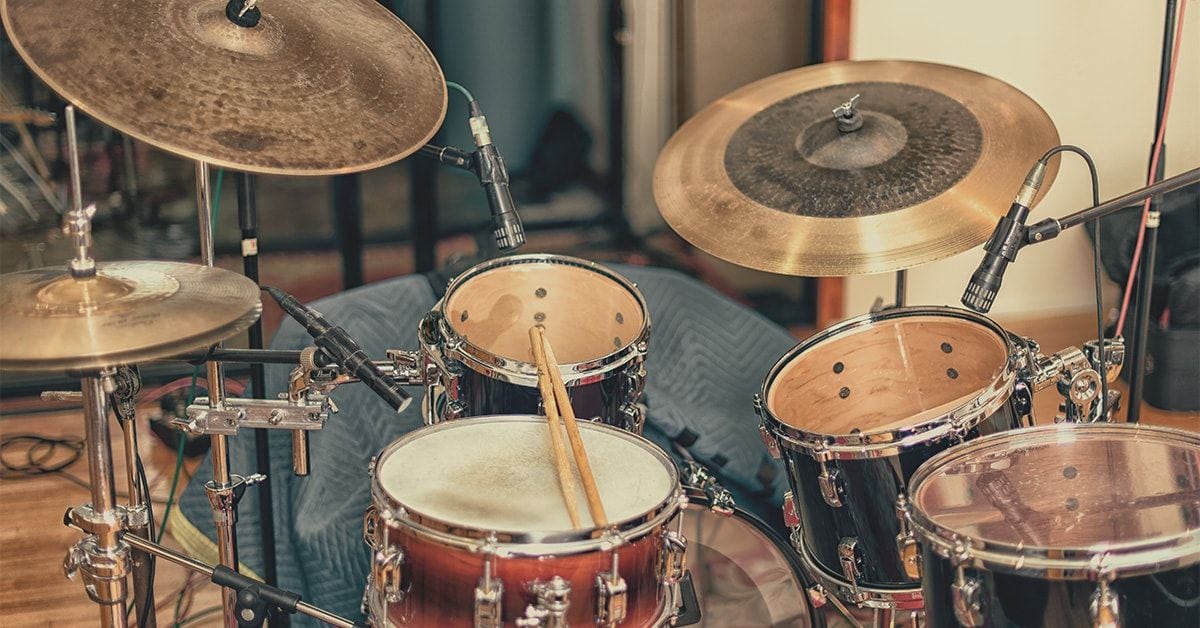
Likely, the most subjective microphone placement in all of recording is the room mic for a drum set (or perhaps a room mic for any instrument setup for that matter). As with any recording, the sound concept you have in mind should lead the decision making process. In other words, what is the intent?
All that’s required to record guitar is you, your electric guitar (or acoustic/electric), a cable and a computer with some freemium digital recording software. However, amps, mics, external preamps and other gear play a crucial part in crafting a great-sounding record. Let’s break down some reasons to look at these additional tools. Depending on where you are in your journey, we also have some tips for success when recording with a minimal setup.
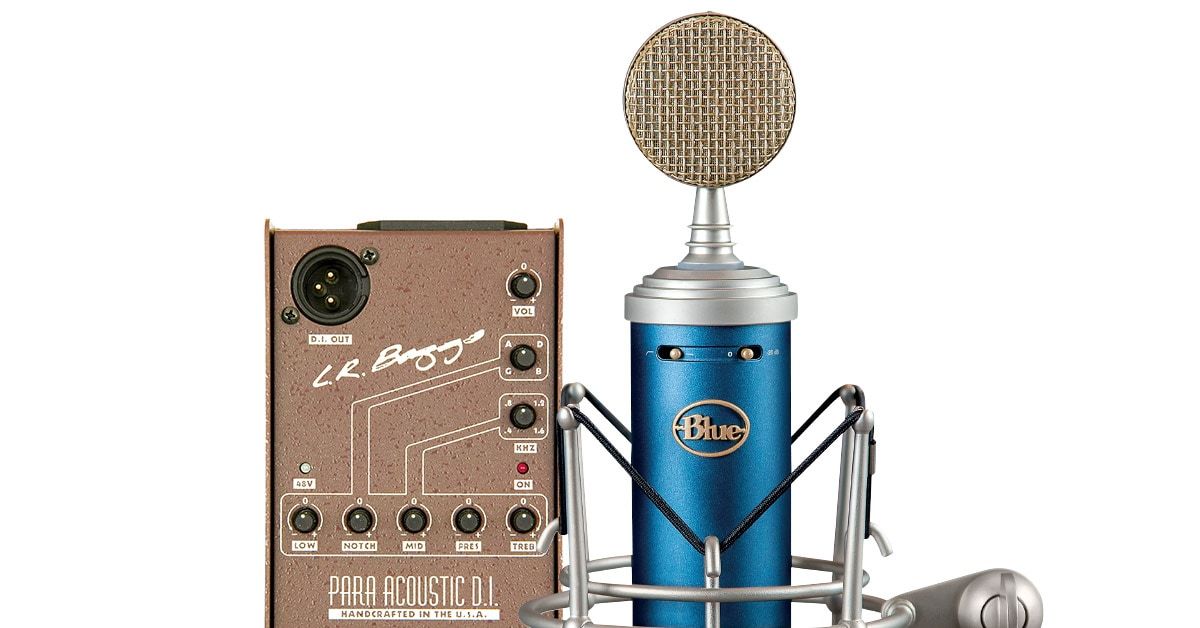
Many like to use both a mic and a DI (direct box) when recording acoustic guitar. However, each can serve a purpose individually as well. It all comes down to the intent. The primary reason to use a mic is to capture the tonal qualities the human ear hears when the instrument is played. On the other hand, a DI converts string vibrations (from the magnets in a pickup) to electrical signals and can have a sound more similar to an electric guitar. Certain types of pickups, like piezos, function more like actual microphones, converting the physical vibrations of the instrument to a voltage, which produces a less “electronic” sound.
Watch Pete Thorn demo the Sterling ST159 and ST170 in the studio.
Building Tracks and In-App Marketplace
Building a Session from Scratch
Showing:13 - 24 (of 30 matches)