.jpeg)

Pro Gear Advisers
•866-498-7882
Mandolins
Related Searches:
Relevance
1-24 out of 151 products
Special Financing Available
Learn More
Available at:Arlington, TX
Condition: Great
Special Financing Available
Learn More
Available at:Cincinnati, OH
Condition: Good
Vintage
Special Financing Available
Learn More
Available at:Johnson City TN, TN
Condition: Great

Special Financing Available
Learn More
Available at:Dayton, OH
Condition: Great
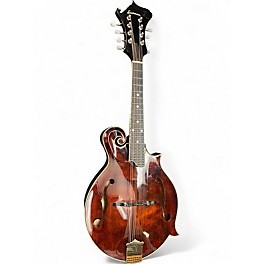
Used Eastman md515 Mahogany Mandolin
$1,049.99
Special Financing Available
Learn More
Available at:South Springfield, MO
Condition: Excellent
Special Financing Available
Learn More
Available at:Roseville, CA
Condition: Great
Special Financing Available
Learn More
Available at:Huntsville, AL
Condition: Excellent
Special Financing Available
Learn More
Available at:Lewisville, TX
Condition: Great
Special Financing Available
Learn More
Available at:N. Olmsted, OH
Condition: Great
Vintage
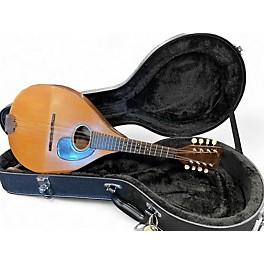
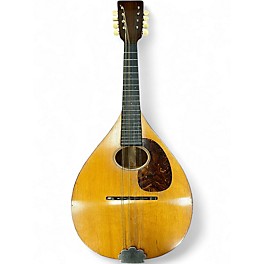
Vintage 1960s Martin 1960s A Style Natural Mandolin
$699.99$899.99
Price Drop
Special Financing Available
Learn More
Available at:Cary, NC
Condition: Good
Special Financing Available
Learn More
Available at:Hickory Corners, NC
Condition: Great
Special Financing Available
Learn More
Available at:Fargo, ND
Condition: Great

Special Financing Available
Learn More
Available at:Plymouth Meeting, PA
Condition: Great
Vintage
Special Financing Available
Learn More
Available at:Warwick, RI
Condition: Good
Vintage
Special Financing Available
Learn More
Available at:Reno, NV
Condition: Good
Vintage
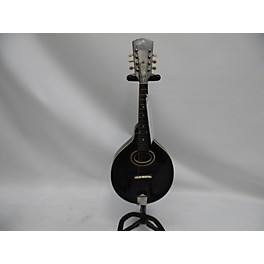
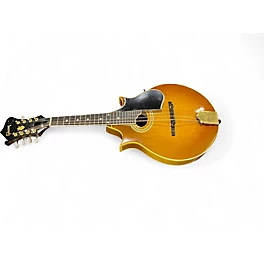
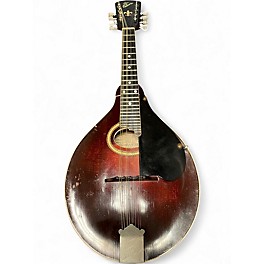
Vintage 1920s Gibson A-2 Black Mandolin
$1,099.99$1,899.99
Price Drop
Special Financing Available
Learn More
Available at:Brooklyn, NY
Condition: Good
Special Financing Available
Learn More
Available at:N. Olmsted, OH
Condition: Good
Special Financing Available
Learn More
Available at:Johnson City TN, TN
Condition: Excellent
Special Financing Available
Learn More
Available at:Allentown, PA
Condition: Fair
Vintage
Special Financing Available
Learn More
Available at:New London, CT
Condition: Good
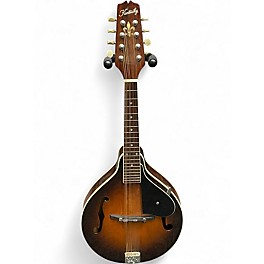
Used Kentucky KM180s Sunburst Mandolin
$564.99$699.99
Price Drop
Special Financing Available
Learn More
Available at:Joliet, IL
Condition: Good

Special Financing Available
Learn More
Available at:Concord, CA
Condition: Good
Vintage
Special Financing Available
Learn More
Available at:South Austin, TX
Condition: Great
Vintage
Special Financing Available
Learn More
Available at:Middleton, WI
Condition: Great
Buying Guides
Learn More
The mandolin continues to be a popular and vital instrument for players in all genres. In country music, the mandolin has made quite a comeback since the heyday of the Nashville sound in the ’60s and ’70s, with the powerful neo-traditionalist movement that re-introduced the mandolin to audiences. In rock music, the mandolin has been present since the late ’60s, from the acoustic-tinged albums of Rod Stewart to the heady acoustic ballads of Led Zeppelin—all of which made the mandolin a familiar sound to rock audiences. Today, the growing interest in unplugged and singer/songwriter music continues to showcase the mandolin.
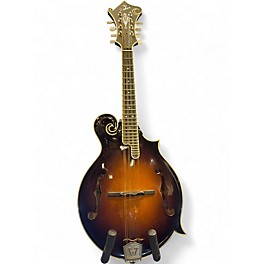
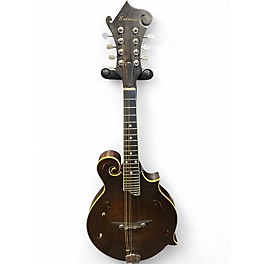
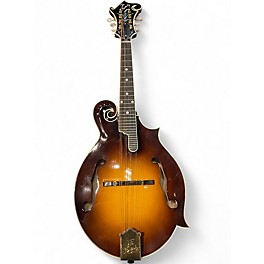
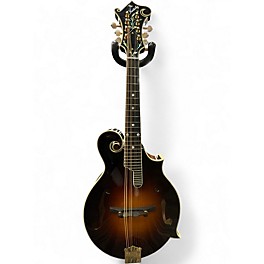
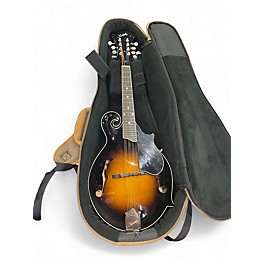
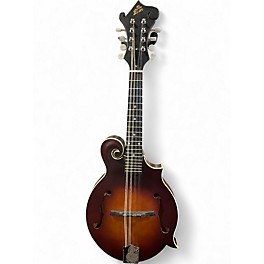
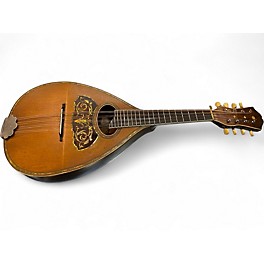
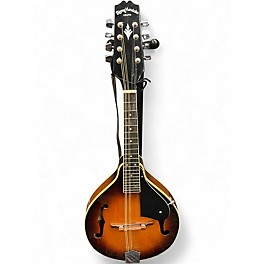
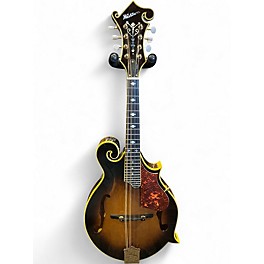
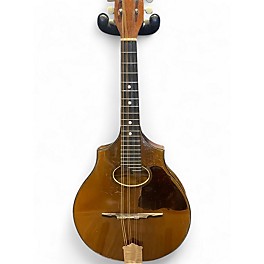
Mandolins come in several forms. The Neapolitan style, known as a round-back or bowl-back, which has a vaulted back made of a number of strips of wood in a bowl formation, similar to a lute, and usually an uncarved top. Another form has a banjo-style body. The archtop-style is credited to mandolins designed and built by Orville Gibson, founder of the Gibson Mandolin-Guitar Manufacturing Company in 1902. Gibson mandolins evolved into two basic styles: the Florentine or F-style, which has a decorative scroll near the neck, two points on the lower body, and usually a scroll carved into the headstock, and the A-style, which is pear shaped, has no points and usually has a simpler headstock.
A-style and F-style mandolins generally have either two f-shaped soundholes like a violin or an oval soundhole directly under the strings. Generally, F-style mandolins are strongly associated with bluegrass, while the A-style is associated other types of music, although it too is most often used for and associated with bluegrass. The F-style mandolin’s more complicated woodwork also generally translates into a more expensive instrument.
As with almost every other contemporary string instrument, another modern variant is the electric mandolin. These mandolins can have four or five individual or double courses of strings. Whatever your style or musical preference, a mandolin makes a great addition to any player’s arsenal.
Be the first to know about exclusive offers, tips and more.

866-498-7882 English
877-687-5402 Español